Establishing paternity is often the first legal step toward securing custody, visitation, and child support rights for an unmarried parent and child in California. Whether paternity is confirmed voluntarily or through a contested court case, understanding how the process unfolds helps both parents know what to expect and how each step affects their future legal rights.
When paternity questions feel overwhelming, steady guidance from a local Torrance attorney can clarify the process and keep it focused. The Law Offices of Bruce A. Mandel helps Torrance parents understand their options and move through the paternity process with a clearer path forward.
Step 1: Determining How Paternity Will Be Established
California recognizes two main paths to legal paternity: a Voluntary Declaration of Parentage signed by both parents, often at the hospital when the child is born, or a court-ordered parentage action when one parent disputes the child’s biological father.
Married couples generally benefit from a legal presumption that the husband is the child’s father, while unmarried parents typically need one of these two formal routes. Choosing the right path early helps avoid later delays.
Step 2: Filing the Petition to Determine Parentage
When paternity is contested, or no voluntary declaration has been signed, a parent or alleged father files a Petition to Determine Parental Relationship with the court, commonly Judicial Council form FL-200.
This filing formally opens the parentage case and allows the court to eventually order custody, visitation, and support once parentage is resolved. The other parent must then be properly notified, or served, so they have an opportunity to respond.
Step 3: Completing Genetic Testing
If either parent disputes biological parentage, the court can order genetic testing to resolve the question. Testing typically involves a simple cheek swab from each party, and results are highly accurate in confirming or ruling out a biological relationship.
Parents scheduled for testing should bring government-issued identification and arrive on time, since missing an appointment can allow the court to establish paternity by default.
Step 4: Reviewing and Responding to Results
Once genetic testing results are returned, both parents receive the findings, usually by mail. If the results confirm paternity, the case moves toward finalizing legal parentage.
If a party still disputes the outcome, they may be able to challenge the testing methodology, though this is uncommon given the accuracy of modern DNA analysis.
Step 5: Finalizing the Parentage Judgment
To conclude the case, the parties either reach an agreement or ask a judge to decide, after which the court issues a formal judgment establishing legal parentage. This judgment can include several key attachments:
- A judgment confirming the legal parent-child relationship
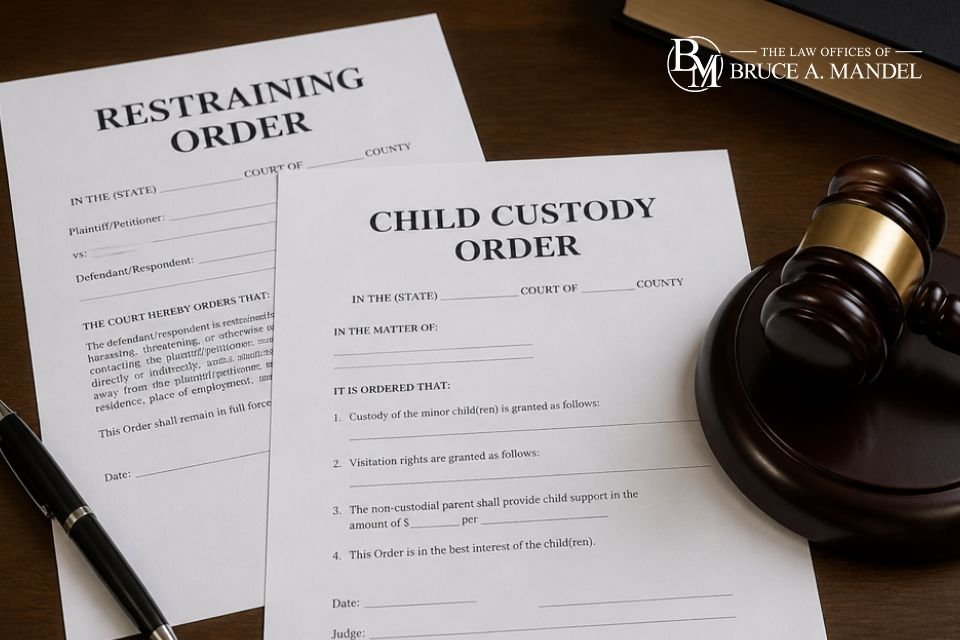
- A child custody and visitation order addressing parenting time
- A child support order based on each parent’s income and circumstances
- Provisions for health insurance or other related financial matters
Step 6: Establishing Custody and Visitation Orders
Once parentage is legally confirmed, either parent can request custody and visitation orders, since California courts cannot issue these orders for unmarried parents until paternity is established.
California courts always evaluate the child’s best interests when deciding on physical and legal custody arrangements.
Step 7: Setting Child Support Obligations
Child support obligations do not legally exist until paternity is established, so this step typically follows closely after custody determinations.
The court calculates support based on each parent’s income, the custody arrangement, and other statutory guideline factors, and the resulting order becomes legally enforceable once filed.
Either parent can later request a modification if circumstances change significantly, such as a job loss, a substantial raise, or a shift in the parenting schedule.
Moving Forward with a Torrance Family Law Attorney
Paternity cases shape a child’s legal relationships, financial support, and custody arrangements for years to come, and navigating that process without guidance can feel uncertain. Working with a Torrance family law attorney gives parents a clearer sense of what to expect at each stage so that they can protect their rights and their child’s best interests.
The Law Offices of Bruce A. Mandel has spent more than 30 years helping California parents establish paternity, secure custody arrangements, and resolve child support matters with clarity and confidence. The firm also handles related family law matters, such as divorce and property division, giving clients a steady resource as their needs evolve.
Contact The Law Offices of Bruce A. Mandel to discuss your situation with an experienced family law attorney, and let’s explore your next steps.