Paternity in California is often misunderstood, especially when parents are unmarried or when relationships are strained. Many people assume biology alone settles everything, but legal paternity is what actually controls child support, custody, and important rights and responsibilities.
When questions about paternity arise, clear information can prevent costly mistakes and long delays. The Law Offices of Bruce A. Mandel helps parents understand how paternity works in California, separate myths from facts, and take practical steps to protect their relationship with their child and their legal interests.
Myth 1: Paternity is Automatic if the Father is on the Birth Certificate
Many people believe that putting a father’s name on the birth certificate automatically creates full legal paternity. In California, the key document is usually a Voluntary Declaration of Parentage, also called a Voluntary Declaration of Paternity. This government form, when properly signed and filed, has the same legal effect as a court judgment of parentage.
If parents do not sign a Voluntary Declaration of Parentage, the birth certificate alone may not give the father enforceable custody or visitation rights. In that situation, paternity is often established through a court case, which may include genetic testing and formal parentage orders.
Myth 2: An Unmarried Father has No Rights
An unmarried father may feel powerless, especially if the relationship with the mother ends. In reality, California law allows unmarried fathers to gain the same legal rights and responsibilities as married fathers once paternity is established. That can happen through a Voluntary Declaration of Parentage or through a court order after a paternity case.
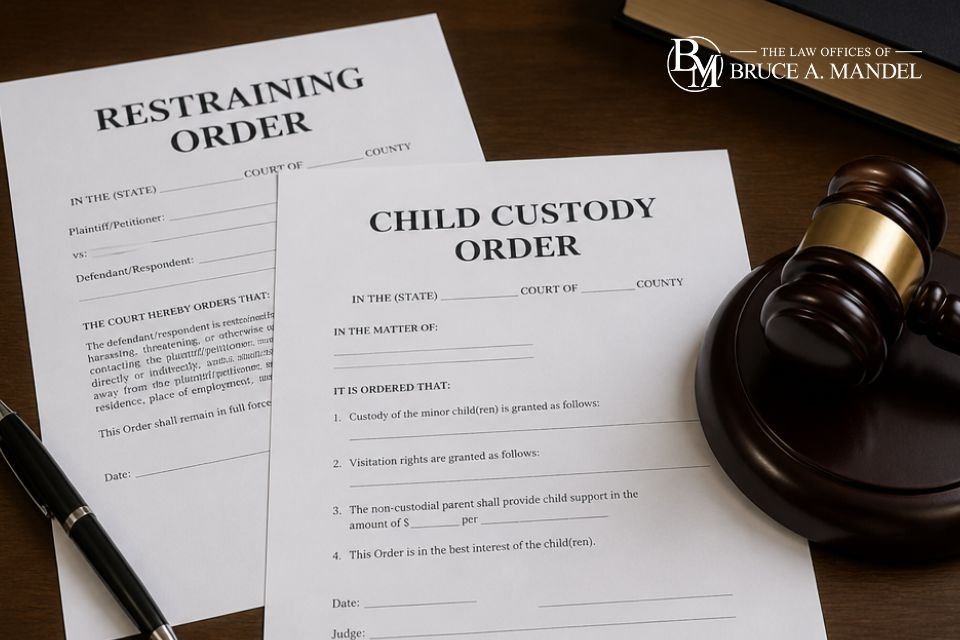
Once paternity is legally recognized, the father can ask the court for custody, visitation, and a parenting plan that reflects the child’s best interests. At the same time, the court can order child support, because legal paternity creates both rights and duties.
Myth 3: Marriage Always Decides Paternity
Another common misconception is that marriage always determines paternity and cannot be challenged. California does have a marriage presumption, which generally treats a child born into a marriage as the child of the spouses. This protects family stability in many situations, but it is not absolute in every case.
In some circumstances, especially after a marriage has ended, courts may consider evidence that another person is the biological and legal parent. California law also recognizes “presumed parents” who have welcomed a child into their home and openly held the child out as their own, even if there is no marriage.
Myth 4: Paternity is Only About Money
Paternity is often discussed in the context of child support, which can make it seem like a financial issue only. In truth, paternity establishes the entire legal parent-child relationship. That relationship affects who can make decisions about the child’s education, medical care, and daily life, and who can seek custody or visitation orders.
Courts evaluate custody and parenting time based on the child’s best interests, not on which parent sought paternity or who first filed paperwork. A legally recognized father has standing to request joint or sole custody, and a child gains access to potential benefits like health insurance, inheritance rights, and Social Security benefits tied to that parent.
Myth 5: A DNA Test Alone Settles Everything
DNA testing can be a powerful tool in paternity cases, but the legal process usually involves more than a lab result. In California, a court still needs to issue orders that formally establish parentage, child support, and any custody or visitation schedule. In some cases, existing legal presumptions or prior declarations must be addressed before the court will even order testing.
There are also strict timelines for challenging a signed Voluntary Declaration of Parentage or an older paternity judgment. Waiting too long can limit your options, even if genetic test results later suggest someone else is the biological father.
Maneuvering Through Paternity in California with The Law Offices of Bruce A. Mandel
Clearing up misconceptions about paternity can help parents make better decisions and avoid relying on informal agreements that courts cannot enforce. Whether you are trying to confirm your legal status as a parent, secure time with your child, or sort out support obligations, it is important to understand how California treats paternity and what documents and orders are required.
The Law Offices of Bruce A. Mandel works with mothers and fathers in paternity, custody, and child support matters. With extensive experience in California family law, Bruce Mandel helps clients establish or challenge paternity, navigate voluntary declarations and genetic testing, and pursue parenting plans that keep the child’s best interests at the forefront.
If you have questions about paternity or your rights as a parent, contact The Law Offices of Bruce A. Mandel to discuss your situation and possible next steps.