A parent’s access to firearms is no longer a side issue in California custody cases involving domestic violence. As of January 1, 2026, two amended state laws give judges clear authority to factor firearm compliance directly into custody decisions, a change that can carry real weight for parents on either side of a case.
The Law Offices of Bruce A. Mandel helps clients understand how these firearm-related rules intersect with custody proceedings and what they may mean for an ongoing or upcoming case.
What Changed in 2026
Two amendments reshaped how firearms factor into custody matters this year. The first affects Family Code Section 3044, which already created a rebuttable presumption against awarding custody to a parent found to have committed domestic violence within the previous five years. Under the updated law, courts may now expressly consider whether that parent violated firearm restrictions when deciding if the presumption has been overcome.
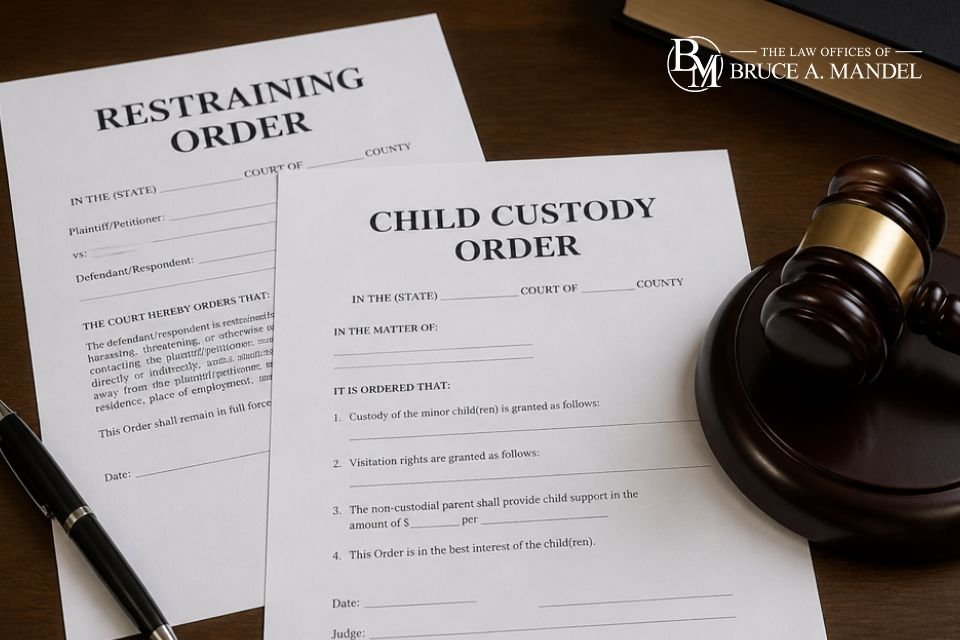
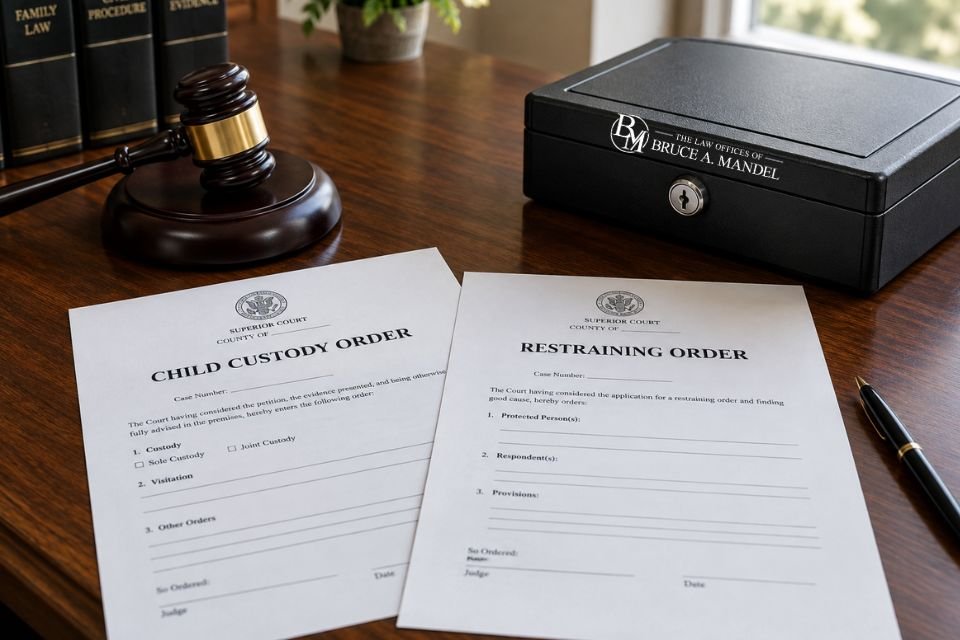
The second change affects Family Code Section 6389, the law requiring anyone subject to a domestic violence restraining order to give up firearms and ammunition. The amendment tightens how exemptions work, particularly for law enforcement officers, and reinforces that noncompliance with firearm surrender requirements is treated as a serious violation, not a minor technicality.
How Firearm Compliance Factors Into Custody
Once a court finds that domestic violence occurred, the parent facing that finding carries the burden of showing that custody or shared parenting time still serves the child’s best interest. Firearm compliance is now one of the factors a judge can weigh directly in that analysis.
A parent who fails to relinquish firearms within the required timeline, or who is later found to have illegally accessed a firearm while restricted, gives the court additional reason to question whether that parent can be trusted to follow court orders generally. This can influence decisions about custody, visitation, and whether exchanges need to happen under supervision.
The Firearm Relinquishment Timeline
Understanding the relinquishment process matters for anyone navigating a domestic violence restraining order tied to a custody case. Under Family Code Section 6389, the basic requirements include the following.
- Firearms must be surrendered immediately if a law enforcement officer requests them at the time the order is served.
- If no officer makes that request, relinquishment must happen within 24 hours, either to local law enforcement or to a licensed firearms dealer.
- Proof of relinquishment must be filed with the court within 48 hours of surrender.
- Limited exemptions exist for certain sworn peace officers, but only under specific conditions the court must evaluate.
- Noncompliance can itself be treated as a violation that affects custody decisions under Section 3044.
Missing any of these steps does not just create legal exposure on its own. It can also become evidence a court considers when deciding whether a parent is prioritizing their child’s safety and following the rules the court has put in place.
What This Means for Emergency Custody Requests
Courts are also directed to weigh illegal firearm access when evaluating emergency, or ex parte, custody requests. A parent seeking emergency protection for a child must show immediate harm or a real risk, and evidence of illegal firearm possession can support that kind of request.
This gives parents concerned about a firearm-related risk a clearer path to raising that concern quickly, rather than waiting for a standard hearing date.
Why Legal Guidance Matters in These Cases
These overlapping rules, the domestic violence presumption, the firearm relinquishment timeline, and how courts weigh noncompliance, can be difficult to navigate without guidance, especially for a parent trying to understand their rights or obligations under a new restraining order. An attorney who regularly handles both restraining orders and custody matters can help identify what steps need to happen, by when, and how they may affect the broader custody case.
With more than 30 years of California family law experience, Bruce Mandel has helped many parents navigate the intersection of protective orders, firearm compliance, and custody outcomes.
If you have questions about how a firearm-related issue may affect your custody case, reach out to The Law Offices of Bruce A. Mandel to talk through your situation.