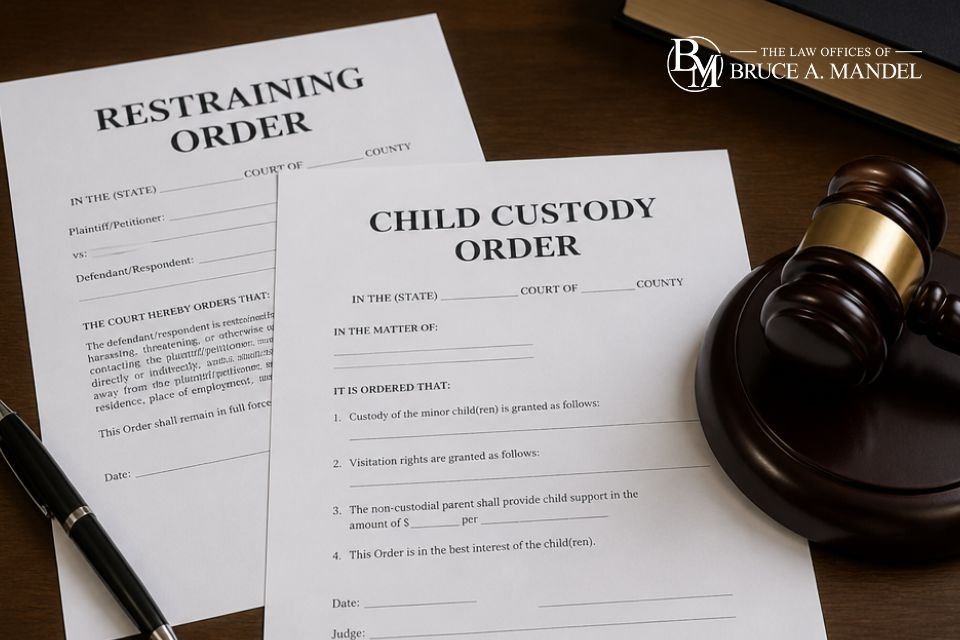
A January 1, 025 change to California law extends the reach of certain restraining orders well beyond what many parents expect, with real consequences for custody cases. Assembly Bill 2308 allows courts to issue post-conviction protective orders lasting up to 15 years in domestic violence cases, up from the previous 10-year maximum.
For families navigating custody and parenting time, this longer timeline can shape decisions well into a child’s future. The Law Offices of Bruce A. Mandel helps clients understand how a restraining order interacts with custody proceedings and what a longer order period could mean for their case.
What AB 2308 Actually Changed
Before this law, a post-conviction protective order tied to a domestic violence conviction under Penal Code Section 273.5 could last up to 10 years. AB 2308 raised that ceiling to 15 years, giving judges more room to keep protections in place for victims who need them, especially in cases involving repeated abuse or ongoing safety concerns.
This change applies to protective orders issued after a criminal conviction, not to every restraining order a family court might issue. Still, because these orders often arise alongside divorce and custody disputes, the extended timeline touches far more families than the criminal case alone might suggest.
How This Intersects With Custody Decisions
California family courts already apply a separate standard when domestic violence is part of a custody case. Under Family Code Section 3044, a finding that a parent committed domestic violence within the previous five years creates a rebuttable presumption against awarding that parent sole or joint custody. A parent can overcome this presumption by presenting evidence such as completing a batterer intervention program or showing custody would still serve the child’s best interest.
Here is where the numbers matter. The Family Code 3044 presumption relies on a 5-year look-back period, whereas a protective order under AB 2308 can now remain active for up to 15 years. That gap means a parent could still be living under an active protective order a full decade after the custody presumption has expired. Judges are not required to treat an active order the same way as the presumption, but a long-running order can still shape how a court views safety concerns and exchange arrangements.
What This Means in Practice
Families dealing with a restraining order alongside a custody matter should keep a few things in mind:
- A longer protective order does not automatically extend the five-year custody presumption under Family Code 3044.
- Courts can still consider an active order when deciding on supervised visitation or communication restrictions between parents.
- Completing court-ordered programs, such as batterer intervention or counseling, remains one of the clearest ways to rebuild a custody case over time.
- Parenting plans may need to account for an order that outlasts the custody presumption by many years.
- Reviewing the exact terms of any protective order matters, since contact restrictions can directly affect custody exchanges.
Every family law case involving a restraining order is different, and the underlying conviction, the order’s terms, and the child’s needs all factor into how a court balances these factors.
Why Legal Guidance Matters Here
Because AB 2308 and Family Code 3044 operate on different timelines and serve different purposes, families can easily misunderstand how the two interact. An attorney who handles both restraining orders and custody matters can review the specific order in place, explain how it may affect a custody case, and help build a plan that protects both safety and parenting time.
This matters most for parents rebuilding custody while a long-term order is still active, since documentation plays a key role in that process.
Protecting Custody Rights Under California’s New Restraining Order Law
California’s extended restraining order timelines reflect a broader effort to keep victims protected longer, but they also add complexity for families navigating custody arrangements. Parents on either side of a restraining order need to understand how these longer timelines could influence parenting time, visitation terms, and future custody modifications. Staying informed about how the law works, rather than relying on assumptions, gives families a stronger foundation for whatever comes next.
The Law Offices of Bruce A. Mandel helps clients understand how a restraining order may affect their custody case and what steps can help protect their parenting rights. With more than 30 years of experience in California family law, Bruce Mandel has guided countless parents through the intersection of protective orders and custody disputes, helping them build a clear path forward.
Contact The Law Offices of Bruce A. Mandel to discuss your situation and next steps.